Quality & Reliability
We publish the numbers rather than describing them as “strict quality control”. Below is what we measure, how often we measure it, and what the current figures are — including where the process is weakest.
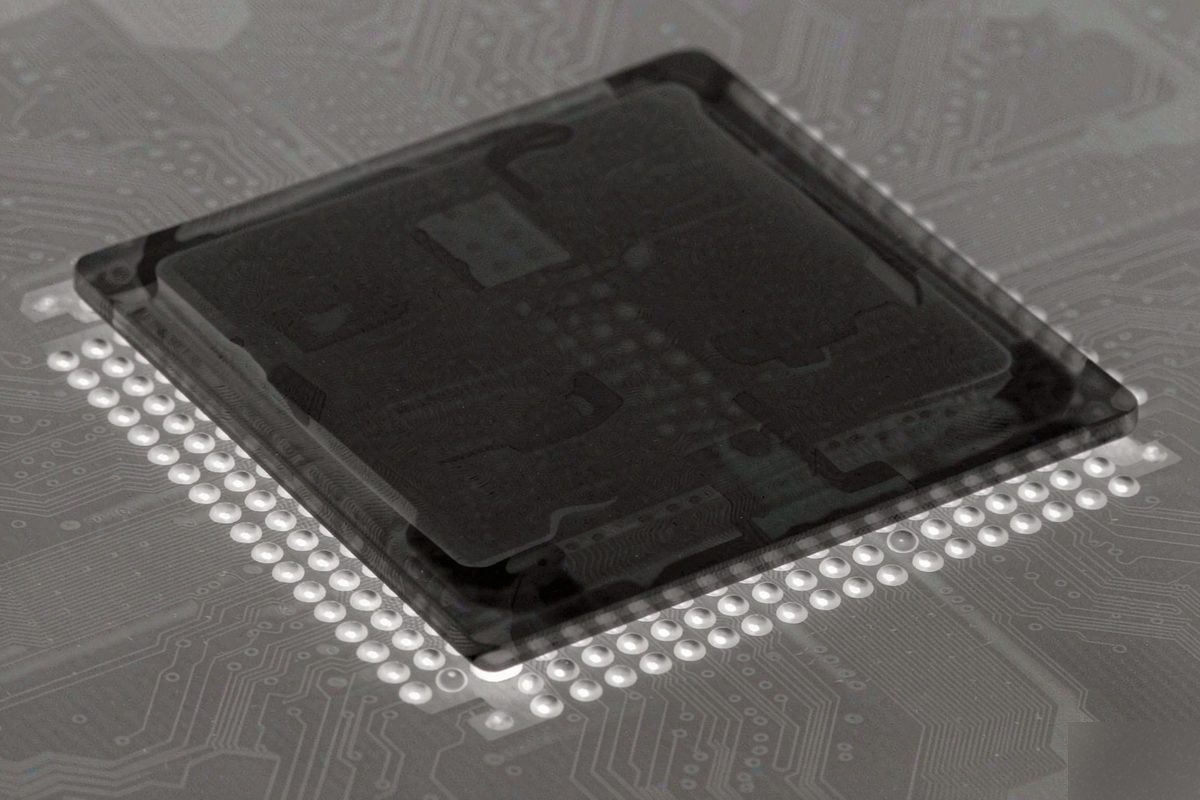
What happens between etching and shipping
Inspection is only meaningful if the frequency is stated. Every check on this page runs at a fixed interval, and the pass rates we publish come from production lots rather than from a demonstration build.
- Flying-probe or fixture electrical test on every panel, no sampling
- Impedance coupons built and measured on controlled-impedance orders
- Inspection records retained per lot so a query can be traced months later
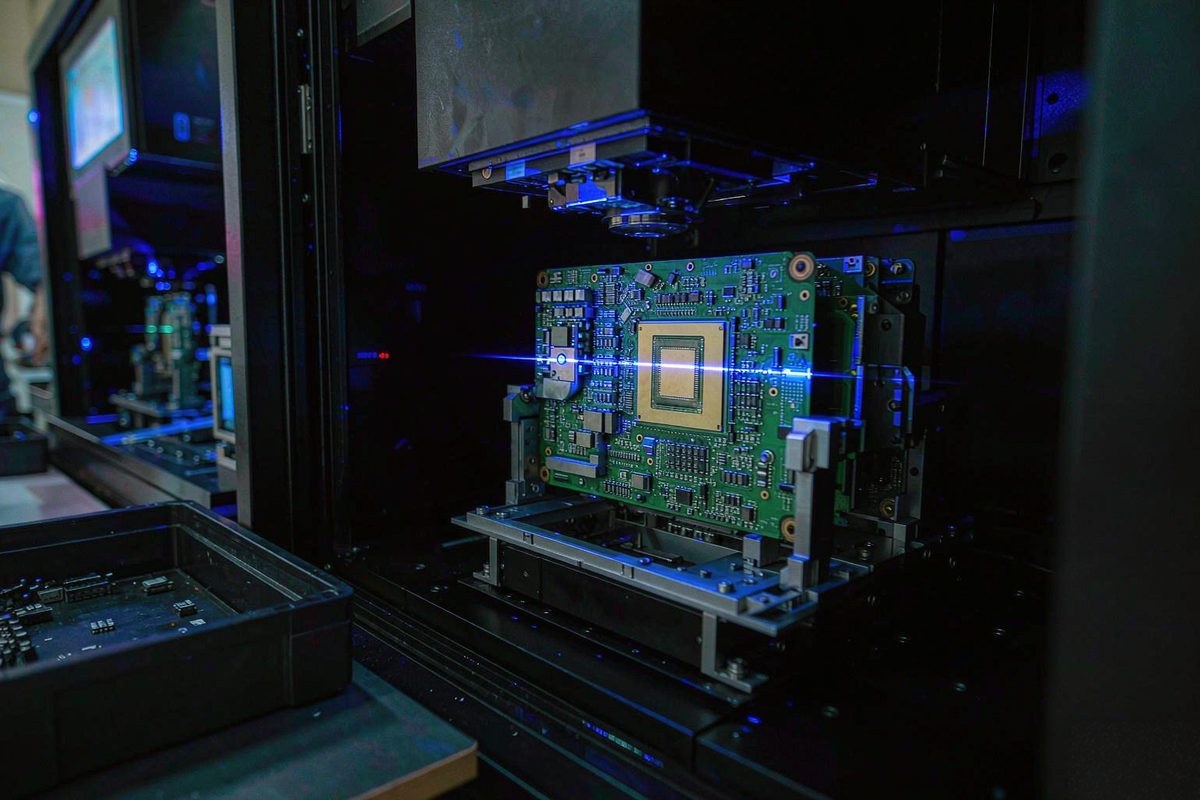
How the two yield figures differ
These measure different things and are not interchangeable. First-pass yield (99.8%) is the share of boards that clear every inspection stage without rework or repair. Mass-production yield (99.5%) is the sustained figure over a full twelve months of volume production, so it absorbs material batch variation, drill wear and plating bath drift that a short study would miss. A single order will usually beat the annual figure; the annual figure is the one to plan capacity against.
Inspection stages
| Incoming material | Substrate Tg, copper foil thickness and prepreg lot verification per batch |
| Inner-layer AOI | 100% of inner layers, line width / spacing / opens / shorts |
| Layer registration | X-ray drill targeting after lamination on boards of 8 layers and above |
| Outer-layer AOI | 100% of production panels |
| Electrical test | Flying probe for prototypes; dedicated test fixtures for volume runs |
| Impedance verification | Per-panel coupons when controlled impedance is specified |
| Final inspection | IPC-A-600 Class 2 as standard; Class 3 on request |
| Assembly AOI / SPI | Solder paste inspection before reflow, AOI after reflow |
| BGA X-ray | Voiding percentage and ball integrity on every BGA device |
| Functional test | ICT and FCT to your test specification; firmware programming available |
Standards and certifications
| Standard | Scope |
|---|---|
| ISO 9001 | Quality management system |
| ISO 14001 | Environmental management system |
| IATF 16949 | Automotive quality management system |
| UL | Recognised component marking for flammability |
| RoHS | Restriction of hazardous substances, EU directive compliant |
| REACH | EU chemical regulation compliance declaration available |
| IPC-A-600 | Acceptability of printed boards — Class 2 standard, Class 3 available |
| IPC-A-610 | Acceptability of electronic assemblies |
| IPC-2221 / IPC-6012 | Design and qualification specifications referenced throughout |
Certificates are available on request with your quote. Where a customer's own standard is stricter than IPC Class 2, send the acceptance criteria and we will confirm whether the build can meet them before the order is placed.
Where the process is weakest
Every board house has a class of work it does less well. Ours are: